What Is the Circadian Rhythm?
Your circadian rhythm is a roughly 24-hour internal biological cycle that governs sleep, wakefulness, hormone production, metabolism, immune function, and cellular repair. It is not a loose preference — it is a tightly coordinated system that affects nearly every organ in your body.
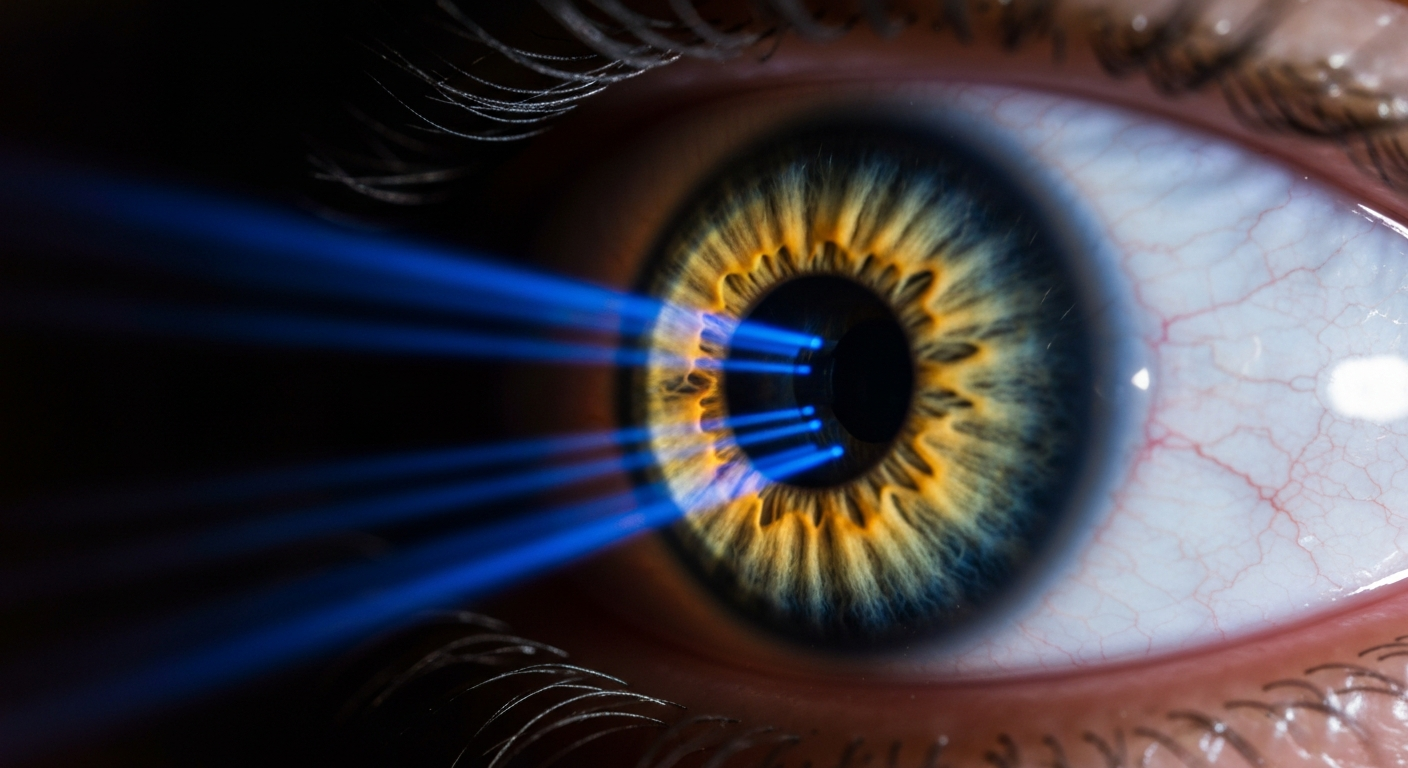
The primary driver of your circadian rhythm is light. Specifically, the type of light your eyes receive at different times of day determines when your body releases cortisol (the morning wakefulness hormone) and melatonin (the sleep and repair hormone).
The Modern Problem
For most of human history, light sources were natural: sunlight during the day, firelight (low-blue, red-dominant) in the evening, and darkness at night. This rhythm perfectly aligned with the cortisol-melatonin cycle.
Today, most people are exposed to:
- •Blue-heavy LED light throughout the day and evening (phones, computers, televisions, office lighting)
- •Minimal natural sunlight exposure, especially in winter months
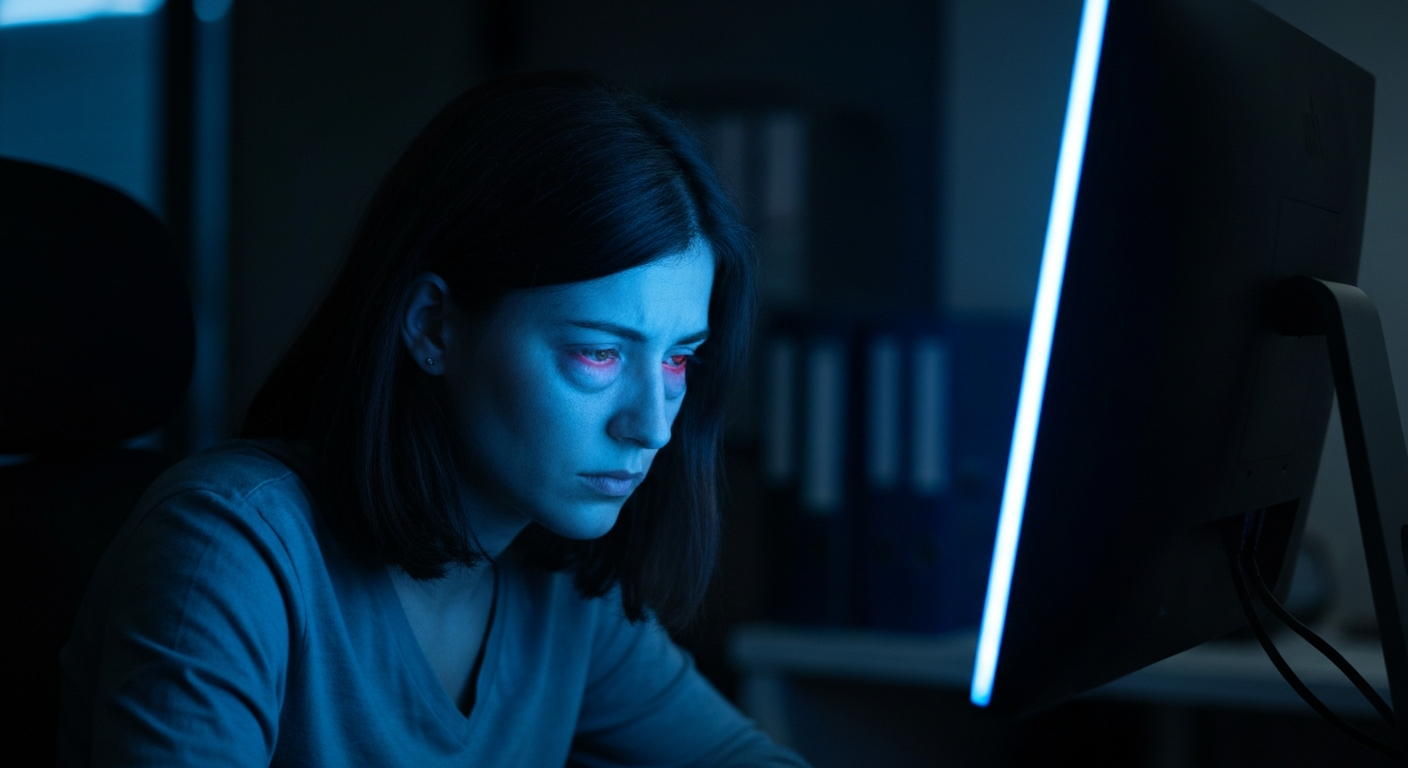
- •Consistent artificial light at night, which the brain cannot distinguish from midday sun
The result is a chronically confused circadian system. Your body may not produce melatonin until 1–2am, your cortisol remains elevated into the evening, and your cellular repair processes are delayed.
What Melatonin Actually Does
Melatonin is commonly understood as a sleep hormone, but its role is broader. It is also a powerful antioxidant that directs cellular repair, regulates inflammation, and supports immune function — all of which happen during your sleep window.
When blue light suppresses melatonin, you lose not just sleep quality, but the entire repair and restoration cycle that should accompany it.
How Light Management Helps
Morning: Bright, blue-rich light in the morning is actually beneficial — it sets your cortisol peak and anchors the start of your 24-hour cycle. Ideally, this comes from natural sunlight or a high-quality light therapy lamp.
Daytime: During work hours, Tesla Indoor Glasses harmonise the artificial light from screens and office lighting — reducing the chaotic, high-contrast flicker that stresses the visual and nervous systems, while preserving the alertness signal you need.
Evening: This is where Tesla Indoor Glasses matter most. Wearing them 2–3 hours before bed reduces the blue light signal reaching your ipRGC cells, allowing melatonin production to begin naturally, on its own schedule.
Practical Steps
1. Get natural light exposure within 30 minutes of waking
2. Wear Tesla Indoor Glasses during evening screen time
3. Avoid overhead LED lighting after 8pm where possible
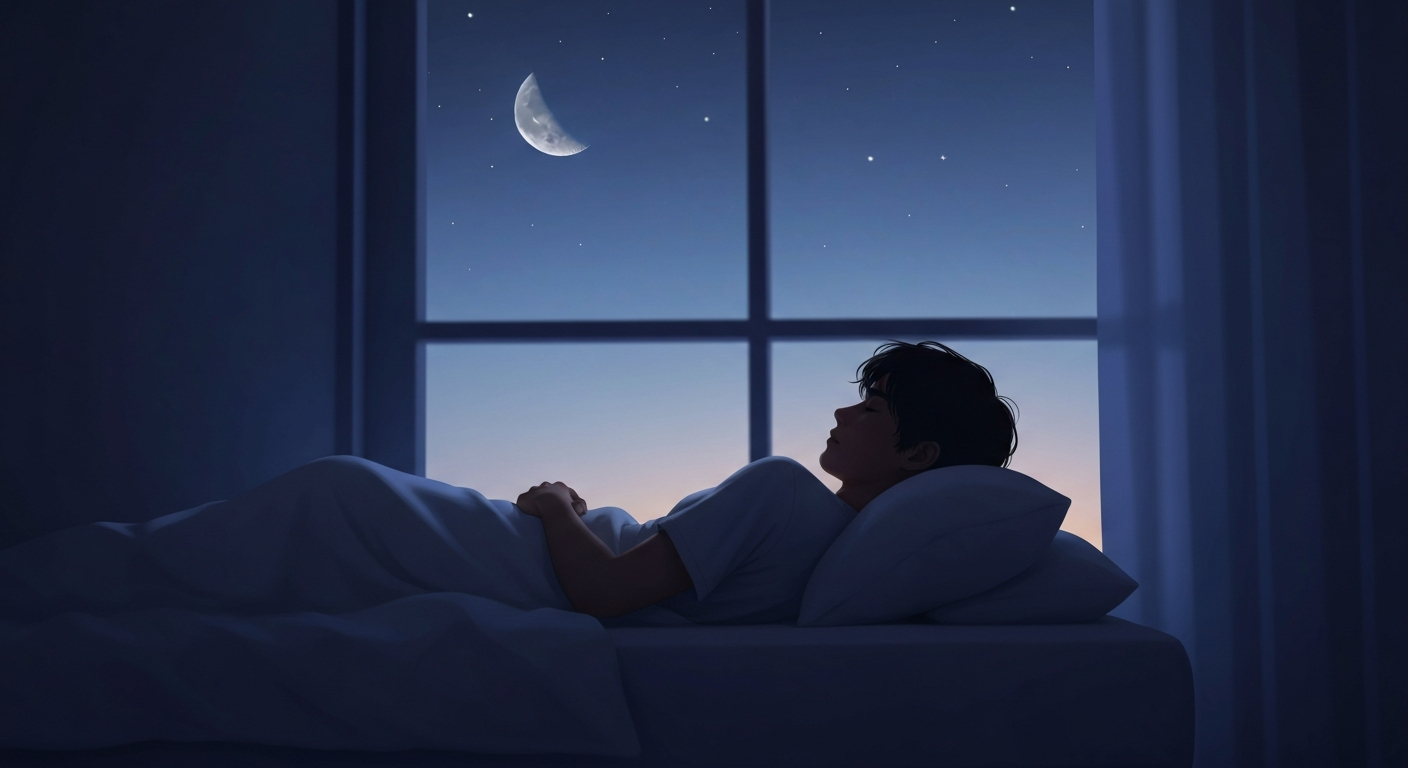
4. Keep your sleeping environment as dark as possible
Supporting your circadian rhythm is one of the highest-leverage changes you can make for long-term health. Tesla Glasses are designed to make this easier without requiring major lifestyle changes.