The Hidden Language of Light
Most people think of light as something you simply see. But light is far more than a visual signal — it is a biological driver that shapes your hormones, energy levels, mood, and long-term eye health. Understanding how light interacts with your body is the foundation of everything Tesla Hyperlight Glasses are designed to address.
Your Eyes Are Not Just Cameras
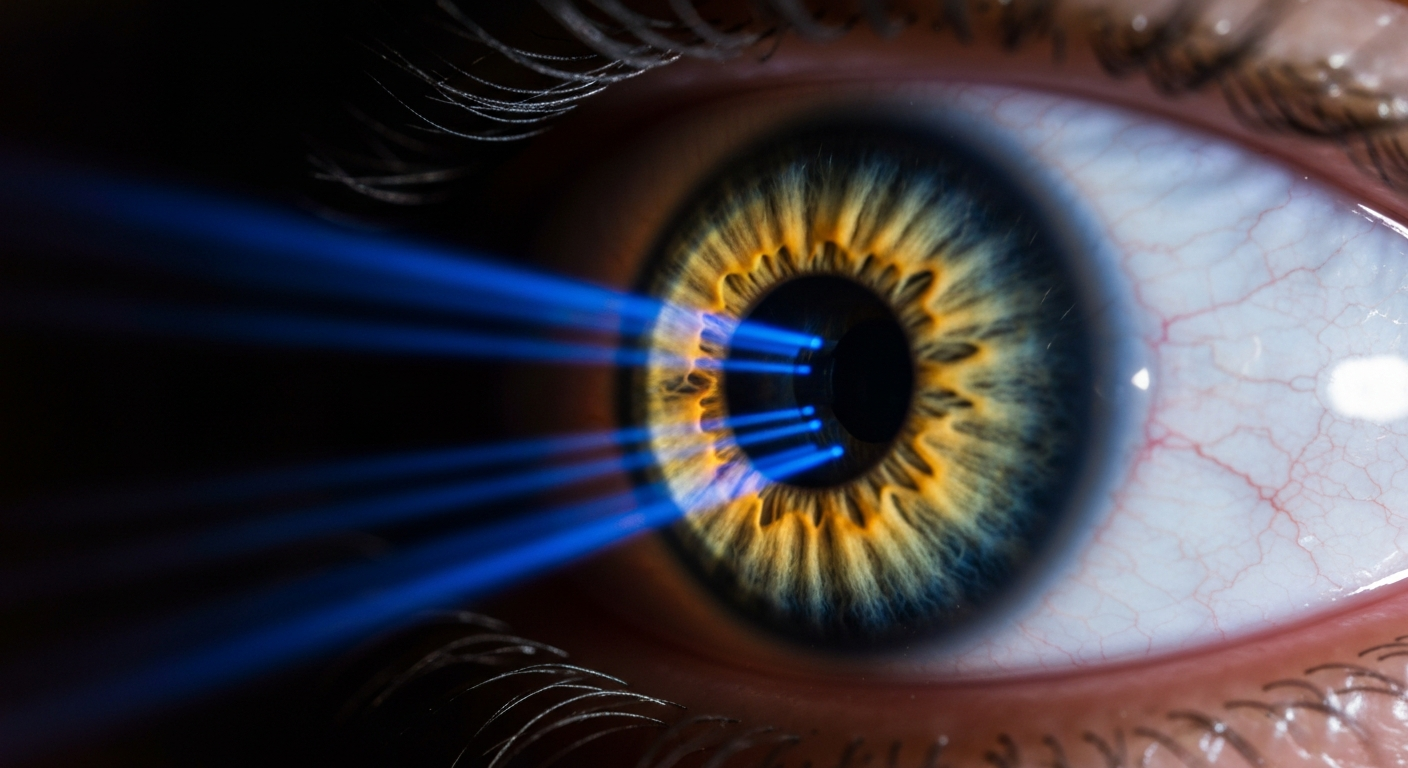
Your retina contains specialised cells called intrinsically photosensitive retinal ganglion cells (ipRGCs). These cells do not contribute to conscious vision — instead, they send light signals directly to the brain's suprachiasmatic nucleus (SCN), which acts as your master biological clock.
When these cells receive the wrong kind of light — particularly artificial blue-heavy light from LED screens and office lighting — they send misleading signals to your brain. The result? Your body behaves as though it is midday at 10pm, suppressing melatonin and disrupting your circadian rhythm.
The Spectrum Problem
Natural sunlight contains a balanced, full spectrum of wavelengths — from deep infrared to ultraviolet. Every wavelength plays a role in biological regulation. The trouble is that modern artificial lighting is not balanced. LED technology, while energy-efficient, emits a disproportionately high amount of blue light in the 400–480nm range, with very little of the red and near-infrared wavelengths that counterbalance it in natural sunlight.
This imbalance is the source of:
- •Digital eye strain — the eye muscles overwork to process high-contrast, flickering blue light
- •Headaches and tension — triggered by the nervous system's stress response to flickering light
- •Poor sleep quality — blue light at night convinces the brain it is still daytime
- •Mood disruption — serotonin and dopamine regulation are tied directly to light signals
Mitochondria and Light Energy
Here is where it gets deeper. Every cell in your body contains mitochondria — the structures responsible for producing cellular energy (ATP). Research has shown that near-infrared and red light wavelengths (600–1000nm) are directly absorbed by the cytochrome c oxidase enzyme in mitochondria, stimulating energy production and cellular repair.
When your light environment is dominated by blue wavelengths with none of the counterbalancing red and infrared, your cells are essentially working without a key input. This is why people exposed to artificial light all day often feel mentally and physically drained even without intense physical exertion.
The Role of Tesla Hyperlight Technology
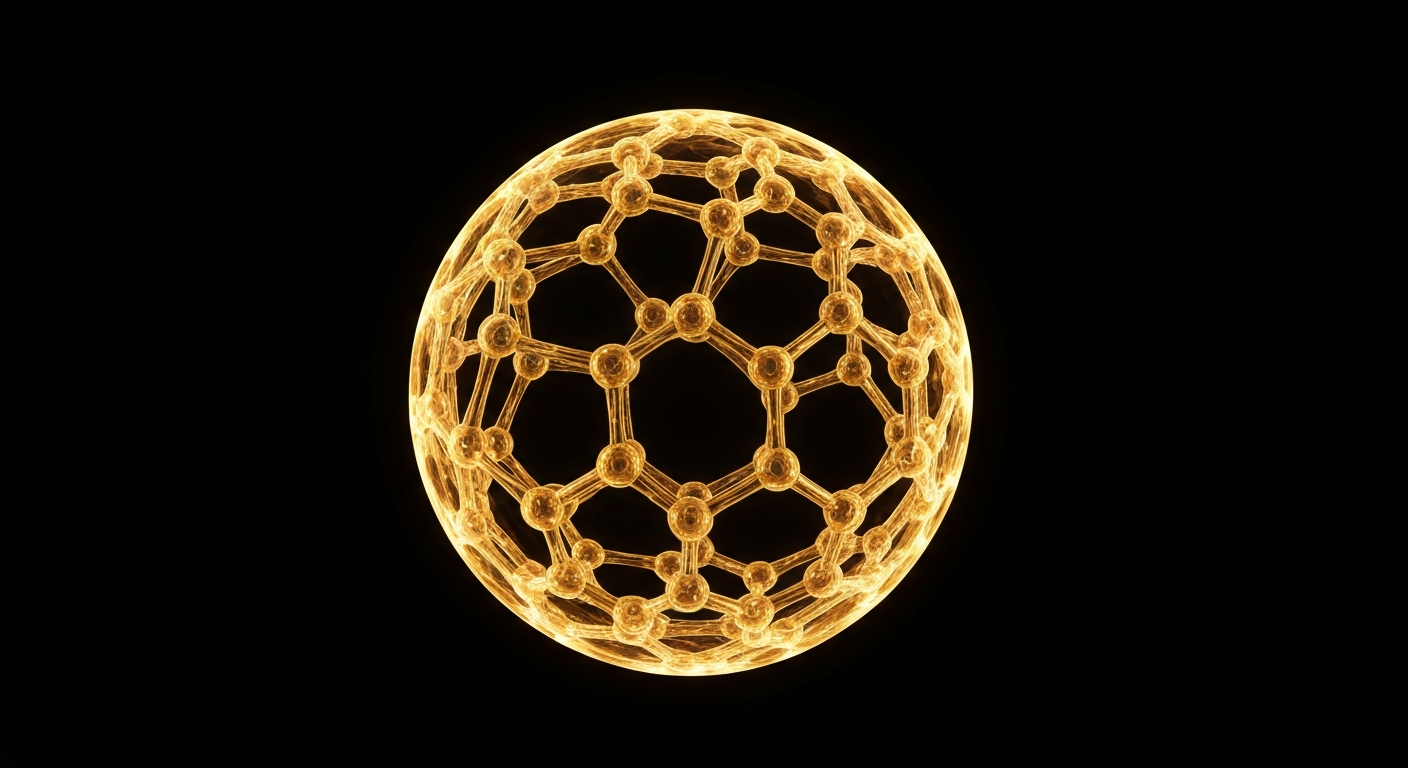
Tesla Glasses address this at the lens level. The patented Fullerene C60 nanotechnology embedded in every lens restructures the light passing through it — harmonising the spectrum into a biologically coherent format. Rather than filtering light out, it transforms it, ensuring your eyes and cells receive a balanced signal regardless of whether you are under fluorescent office lights or staring at a blue-dominated screen.
This is not a tint. This is a structural transformation of light at the molecular level.
What This Means for You
Whether you are trying to reduce afternoon headaches, sleep better, think more clearly, or simply protect your eyes from decades of artificial light exposure, understanding the light-brain connection is the first step. Tesla Glasses are designed to bridge the gap between how our biology evolved — under natural, balanced sunlight — and how we actually live today.