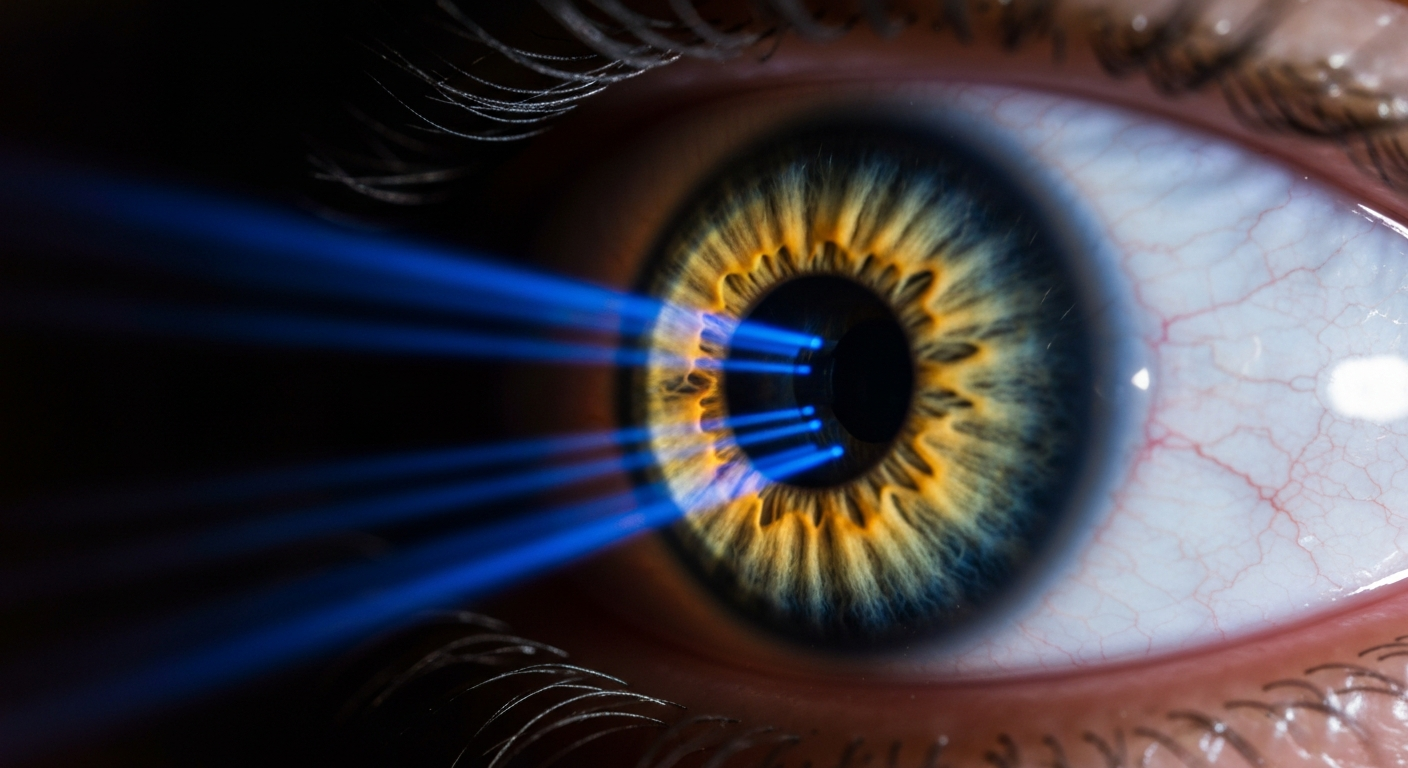
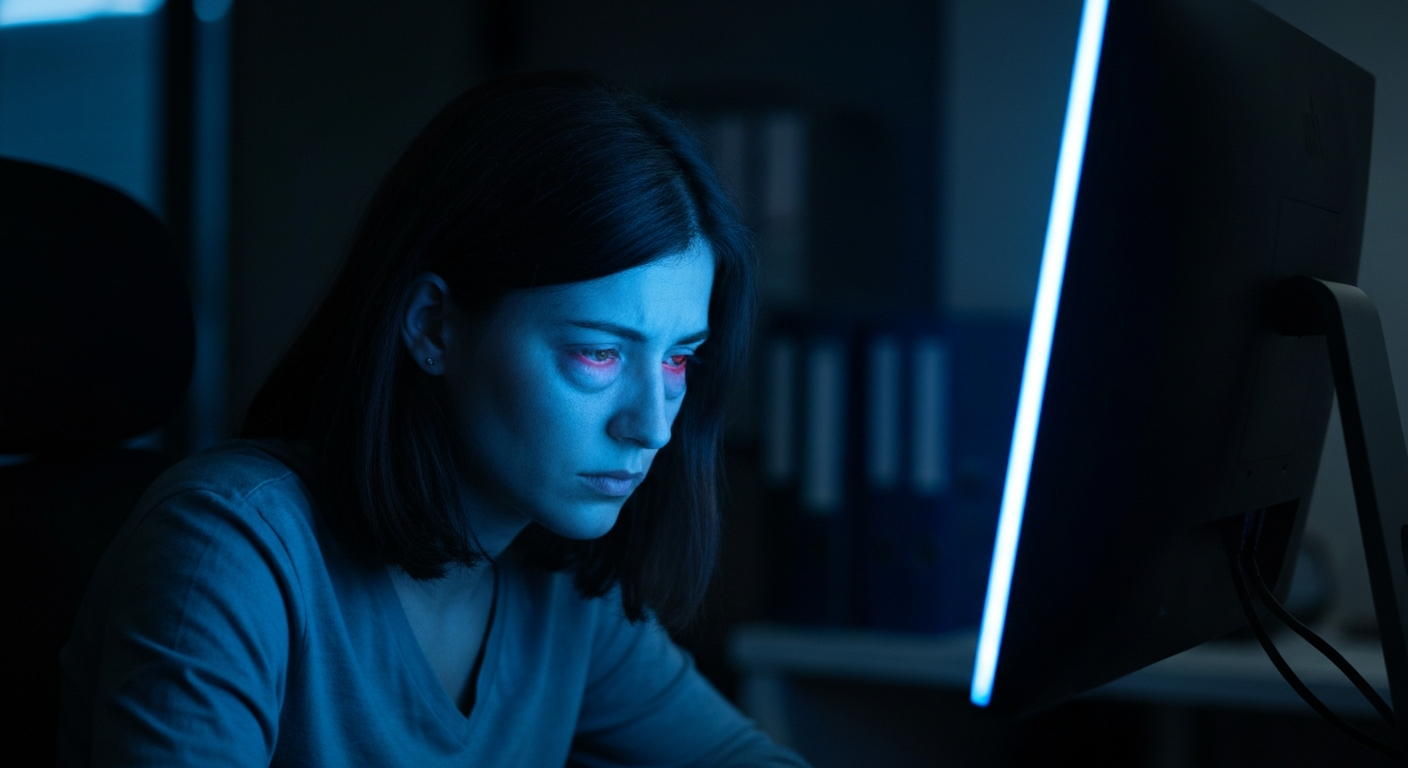
If you spend several hours a day working on a computer, chances are you've experienced tired eyes, headaches, blurry vision, or difficulty focusing by the end of the day. These symptoms are often grouped under digital eye strain, also known as Computer Vision Syndrome (CVS), and they affect millions of people who regularly use digital devices.
When searching for relief, many people immediately buy blue light glasses. While these have become incredibly popular, current research suggests that blue light isn't the main cause of most screen-related eye discomfort.
The best glasses for eye strain are those that address the actual source of your symptoms, whether that's glare, focusing fatigue, dry eyes, or binocular vision problems.
In this guide, we'll explain what causes digital eye strain, what scientific studies say about different types of computer glasses, and how to choose the right solution for your needs. We'll also explore newer technologies that take a different approach to improving visual comfort during prolonged screen use.
What Causes Digital Eye Strain?
Eye strain isn't caused by a single factor. Instead, it's usually the result of several issues working together throughout the day.
Your Eye Muscles Stay Focused for Too Long
When looking at a computer monitor, your eyes remain focused at nearly the same distance for extended periods. The tiny ciliary muscles inside your eyes constantly adjust the natural lens to maintain clear vision.
Unlike when you're looking around outdoors, these muscles rarely get a chance to fully relax during screen work.
After several hours, this sustained effort can lead to:
- •Eye fatigue
- •Difficulty refocusing
- •Blurred vision
- •Aching around the eyes
- •Tension headaches
If you'd like to understand this process in more detail, read our article Eye Strain and Screen Fatigue: What Is Actually Causing It?
Screen Glare Increases Visual Stress
Modern offices contain multiple sources of glare:
- •Computer monitors
- •LED lighting
- •Fluorescent lighting
- •Reflective desks
- •Windows
Every reflection forces your visual system to work harder to maintain a clear image.
One of the most effective ways to reduce this type of visual stress is through anti-reflective (AR) lens coatings, which minimize distracting reflections and improve contrast.
Flicker From Modern Displays
Many LED and OLED screens control brightness using a process called Pulse Width Modulation (PWM).
Instead of producing a constant stream of light, the display rapidly switches pixels on and off—often thousands of times each second.
Although most people don't consciously notice this flicker, the visual system continues processing these rapid changes, which may contribute to eye fatigue and headaches in some individuals.
Artificial lighting can produce similar effects, especially in workplaces with fluorescent or poorly designed LED lighting.
Learn more about how artificial light affects your visual system in our guide How Light Affects Your Brain and Eyes: The Science Explained.
You Blink Less Than You Think
A surprisingly common cause of digital eye strain has nothing to do with your glasses.
People normally blink around 15 to 20 times per minute.
During screen use, this often falls to 5 to 8 blinks per minute.
A lower blink rate means your tear film evaporates more quickly, leading to:
- •Dry eyes
- •Burning sensations
- •Redness
- •Fluctuating vision
- •Increased focusing effort
No pair of glasses can solve this issue alone.
Eye care professionals commonly recommend the 20-20-20 Rule:
Every 20 minutes, look at something about 20 feet away for at least 20 seconds while consciously blinking several times.
This simple habit can significantly reduce visual fatigue throughout the workday.
Do Blue Light Glasses Really Work?
Blue light glasses have become one of the most heavily marketed products for computer users.
The idea sounds simple: filter blue wavelengths emitted by digital screens to reduce eye strain and headaches.
However, current scientific evidence tells a more nuanced story.
Several high-quality clinical studies, including systematic reviews of randomized controlled trials, have found that blue light filtering lenses are unlikely to significantly reduce digital eye strain for most people.
That doesn't necessarily mean blue light glasses never help.
Some users report feeling more comfortable while wearing them. In many cases, this improvement may come from reduced glare, slight lens tinting, or individual sensitivity rather than the blue light filtering itself.
Where blue light filtering has stronger scientific support is before bedtime.
Reducing blue light exposure during the evening may help support normal melatonin production and improve sleep quality for some people. That's a different benefit than reducing daytime screen fatigue.
If you've tried blue light glasses and still experience tired eyes or headaches, the underlying cause may lie elsewhere.
That's why many eye care professionals now focus on improving visual ergonomics, correcting vision problems, reducing glare, and optimizing the way light reaches the eyes rather than relying solely on blue light filters.
In the next section, we'll look at the lens features that have the strongest evidence for reducing digital eye strain and explain which options may work best depending on the source of your symptoms.